Skip to content

Visual Materials

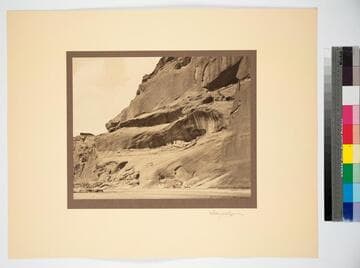
Cliff Ruin. Canyon de Chelly


You might also be interested in
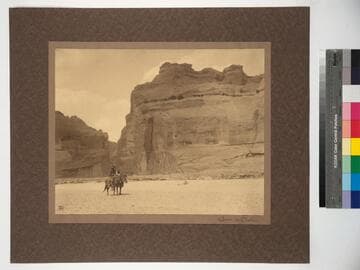
  • Canyon de Chelly, Arizona. First Cliff Ruin encountered in the canyon

    Canyon de Chelly, Arizona. First Cliff Ruin encountered in the canyon

    Visual Materials

    Distant view of cliff dwelling ruins. A man on horseback can be seen at the base of the cliff.

    photCL 312
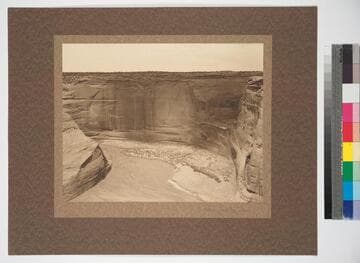
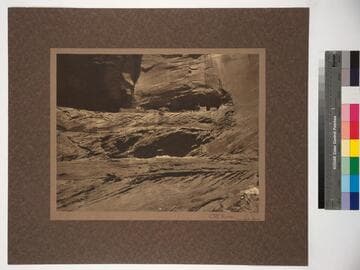
  • Canyon de Chelly, Arizona. General view of canyon wall containing Casa Blanca ruin

    Canyon de Chelly, Arizona. General view of canyon wall containing Casa Blanca ruin

    Visual Materials

    View of canyon wall. Note cliff dwelling ruins at bottom left portion of the wall.

    photCL 312
  • Image not available

    Cliff Ruins. Canyon de Chelly

    Visual Materials

    This collection of photographs documents Native Americans living in Arizona, New Mexico and Oklahoma between 1904 and 1917. The primary tribes represented are Hopi, Navajo and Taos Pueblo Indians, but there are also Osage, Apache and several other Southwestern tribes. There are many portraits, as well as posed, romantic scenes depicting storytelling, hunting, weaving, or playing instruments. Additional candid views show people in their daily activities, pueblos, and dance ceremonies. In a letter to Henry Huntington, Feb. 12, 1923, Moon describes these photographs as "a complete collection of my Indian pictures made from the beginning of my work in 1904 to 1917. It includes ... the pick of the Fred Harvey collection that I made for them during the period of my contract with them, 1907 to 1914, and my own collection made since the latter date." Besides the portraits, there are scenes of Indians in their daily activities, including baking bread in outdoor ovens, gathering water in pots, riding horses and tending livestock. There are also views of the Hopi Snake Dance, and the Corn Dance at Santo Domingo.

    photCL 313

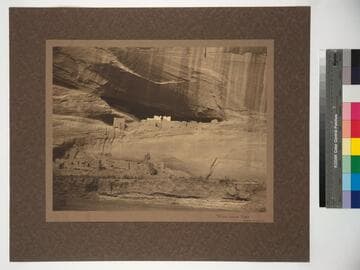
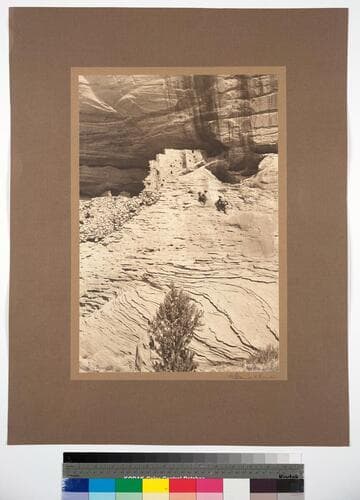
  • Arizona. Casa Blanca (White House), Canyon de Chelly

    Arizona. Casa Blanca (White House), Canyon de Chelly

    Visual Materials

    Distant view of cliff dwelling ruins.

    photCL 312

  • Image not available

    White-house Ruin. Canyon de Chelly

    Visual Materials

    This collection of photographs documents Native Americans living in Arizona, New Mexico and Oklahoma between 1904 and 1917. The primary tribes represented are Hopi, Navajo and Taos Pueblo Indians, but there are also Osage, Apache and several other Southwestern tribes. There are many portraits, as well as posed, romantic scenes depicting storytelling, hunting, weaving, or playing instruments. Additional candid views show people in their daily activities, pueblos, and dance ceremonies. In a letter to Henry Huntington, Feb. 12, 1923, Moon describes these photographs as "a complete collection of my Indian pictures made from the beginning of my work in 1904 to 1917. It includes ... the pick of the Fred Harvey collection that I made for them during the period of my contract with them, 1907 to 1914, and my own collection made since the latter date." Besides the portraits, there are scenes of Indians in their daily activities, including baking bread in outdoor ovens, gathering water in pots, riding horses and tending livestock. There are also views of the Hopi Snake Dance, and the Corn Dance at Santo Domingo.

    photCL 313

  • Image not available

    Canyon de Chelly

    Visual Materials

    This collection of photographs documents Native Americans living in Arizona, New Mexico and Oklahoma between 1904 and 1917. The primary tribes represented are Hopi, Navajo and Taos Pueblo Indians, but there are also Osage, Apache and several other Southwestern tribes. There are many portraits, as well as posed, romantic scenes depicting storytelling, hunting, weaving, or playing instruments. Additional candid views show people in their daily activities, pueblos, and dance ceremonies. In a letter to Henry Huntington, Feb. 12, 1923, Moon describes these photographs as "a complete collection of my Indian pictures made from the beginning of my work in 1904 to 1917. It includes ... the pick of the Fred Harvey collection that I made for them during the period of my contract with them, 1907 to 1914, and my own collection made since the latter date." Besides the portraits, there are scenes of Indians in their daily activities, including baking bread in outdoor ovens, gathering water in pots, riding horses and tending livestock. There are also views of the Hopi Snake Dance, and the Corn Dance at Santo Domingo.

    photCL 313