Skip to content

OPEN TODAY: 10 A.M.–5 P.M.

Tickets

Rare Books

The passing of the Indian & buffalo

Image not available


You might also be interested in

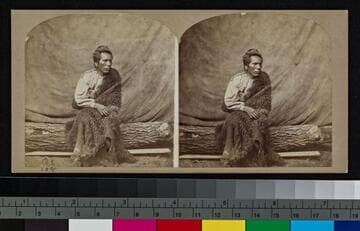
  • Winnebago Indian wearing a buffalo robe

    Winnebago Indian wearing a buffalo robe

    Visual Materials

    photPF 4003

  • Image not available

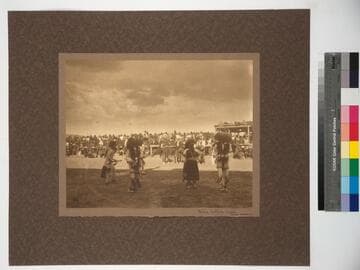
    White-buffalo Dance. Cochiti Indians

    Visual Materials

    This collection of photographs documents Native Americans living in Arizona, New Mexico and Oklahoma between 1904 and 1917. The primary tribes represented are Hopi, Navajo and Taos Pueblo Indians, but there are also Osage, Apache and several other Southwestern tribes. There are many portraits, as well as posed, romantic scenes depicting storytelling, hunting, weaving, or playing instruments. Additional candid views show people in their daily activities, pueblos, and dance ceremonies. In a letter to Henry Huntington, Feb. 12, 1923, Moon describes these photographs as "a complete collection of my Indian pictures made from the beginning of my work in 1904 to 1917. It includes ... the pick of the Fred Harvey collection that I made for them during the period of my contract with them, 1907 to 1914, and my own collection made since the latter date." Besides the portraits, there are scenes of Indians in their daily activities, including baking bread in outdoor ovens, gathering water in pots, riding horses and tending livestock. There are also views of the Hopi Snake Dance, and the Corn Dance at Santo Domingo.

    photCL 313

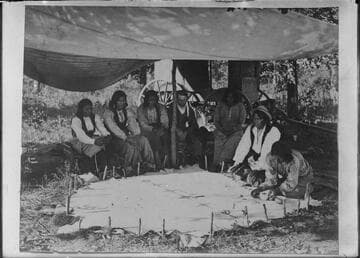
  • Kiowa Indians painting history on a buffalo hide, Indian Territory

    Kiowa Indians painting history on a buffalo hide, Indian Territory

    Visual Materials

    A group of Kiowa Indians and a white man gathered around a buffalo hide stretched with stakes.

    photCL 275 fld. 14 (10)

  • Image not available

    Buffalo hide of Menomonee Indians (Michigan), decorated

    Manuscripts

    Fifty-four drawings by Franz Hölzlhuber of clothing, tools, weapons, instruments, and hides used by Native Americans, as well as portraits of individual Native American men and women (Menomonee, Chippewa, Winnebago, Comanche, Oneida, Blackhawk, Ponca, Sioux, Pawnee, Concaw, Oshkosh, Ottoe) in Minnesota, Michigan, Wisconsin, and Iowa. Hölzlhuber titled the drawings on the front (in German) and there is text on the verso of the drawings (also in German). Also present is the original housing of the drawings, a volume that was entitled "Costüm-Bilder waffen und Geräthshaften einiger Indianerstamme im Nordwesten America." Box 6 contains photocopies of the German text on the versos of the drawings. There are no English translations.

    mssHM 9892
  • Image not available

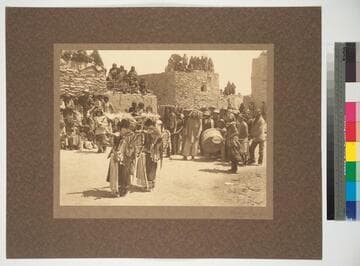
    Buffalo Dance of the Hopi Indians of Oraibi, Arizona

    Visual Materials

    This set of photographs by Frederick Monsen focuses on Native Americans of the Southwest in mostly candid views taken in Pueblo communities, approx. 1886-1911. Photographs include portraits, ceremonies, dances, pueblos, livestock and scenes of daily activities. A smaller portion of the collection consists of landscapes, cliff-dwellings, ruins, gold miners, wagons and scenes of pioneer life in the West. Some photographs were made by Monsen while he was with U.S. Geological Surveys (including the Brown-Stanton survey of 1889), and others during his own photography trips. The majority of Native Americans pictured are Hopi and Navajo, but there are also Paiute, Apache, and Pueblo Indians. There are a few views of Mojave Indians of Southern California, and natives of Baja, Mexico. There are several views of Indian children, shown with and without clothes, in their daily activities. Scenes of non-Indian Western life include men in covered wagons on trails, gold prospectors and stagecoaches. There are many artistic landscape views of canyons, buttes and mesas; Death Valley; salt beds; ancient ruins; cactus and other desert plants. Unusual subjects of note are three photographs of skeletons in the deserts of Arizona and one view of the covered bodies of prospectors being carried on burros. The prints are all signed by Monsen and have typed or handwritten captions on the back, written by Monsen.

    photCL 312